

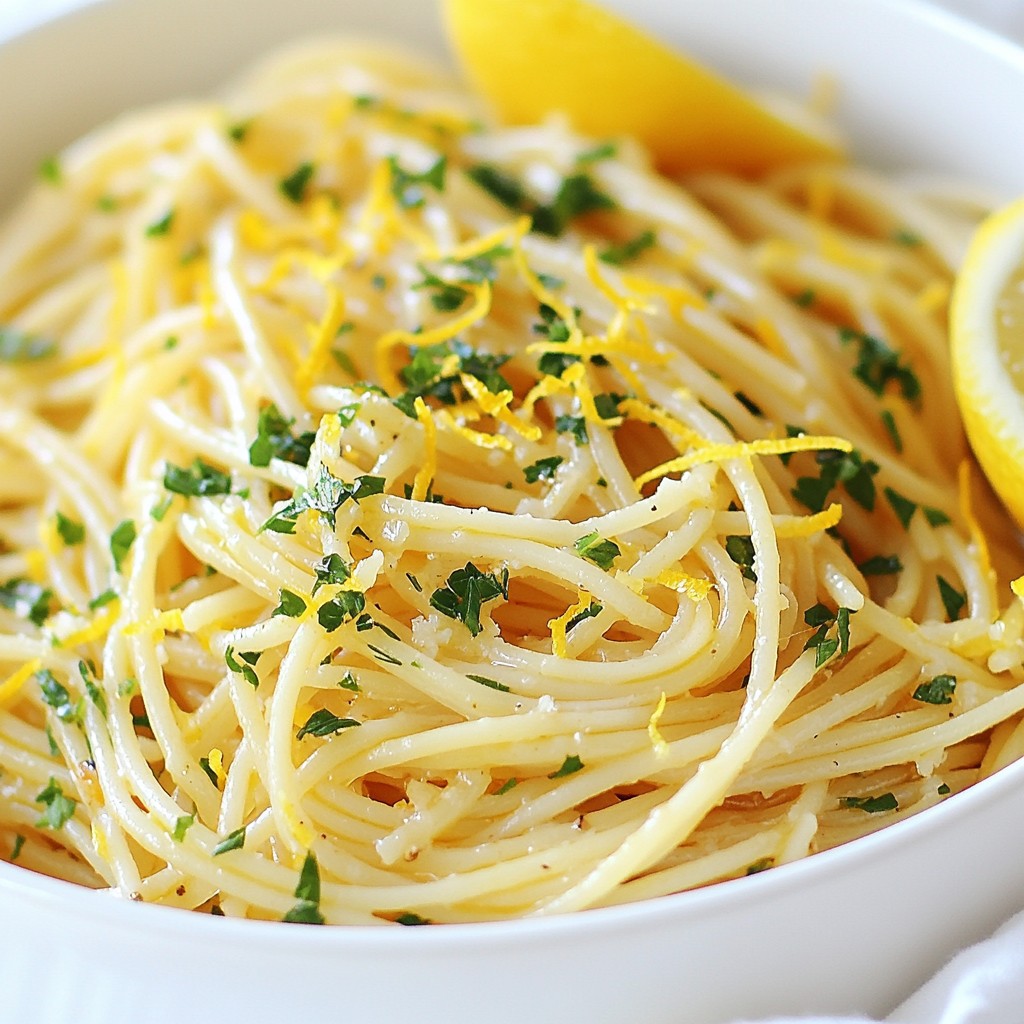
If you're looking for a quick, flavorful meal, look no further! This Quick Pasta Spaghetti with Lemon and Herbs recipe brings bright flavors to your dinner table in no time. With simple ingredients and easy steps, you can whip up a tasty dish that dazzles. Join me as I guide you through every step, making cooking fun and enjoyable. Let’s dive into this easy and zesty recipe!
Ingredients
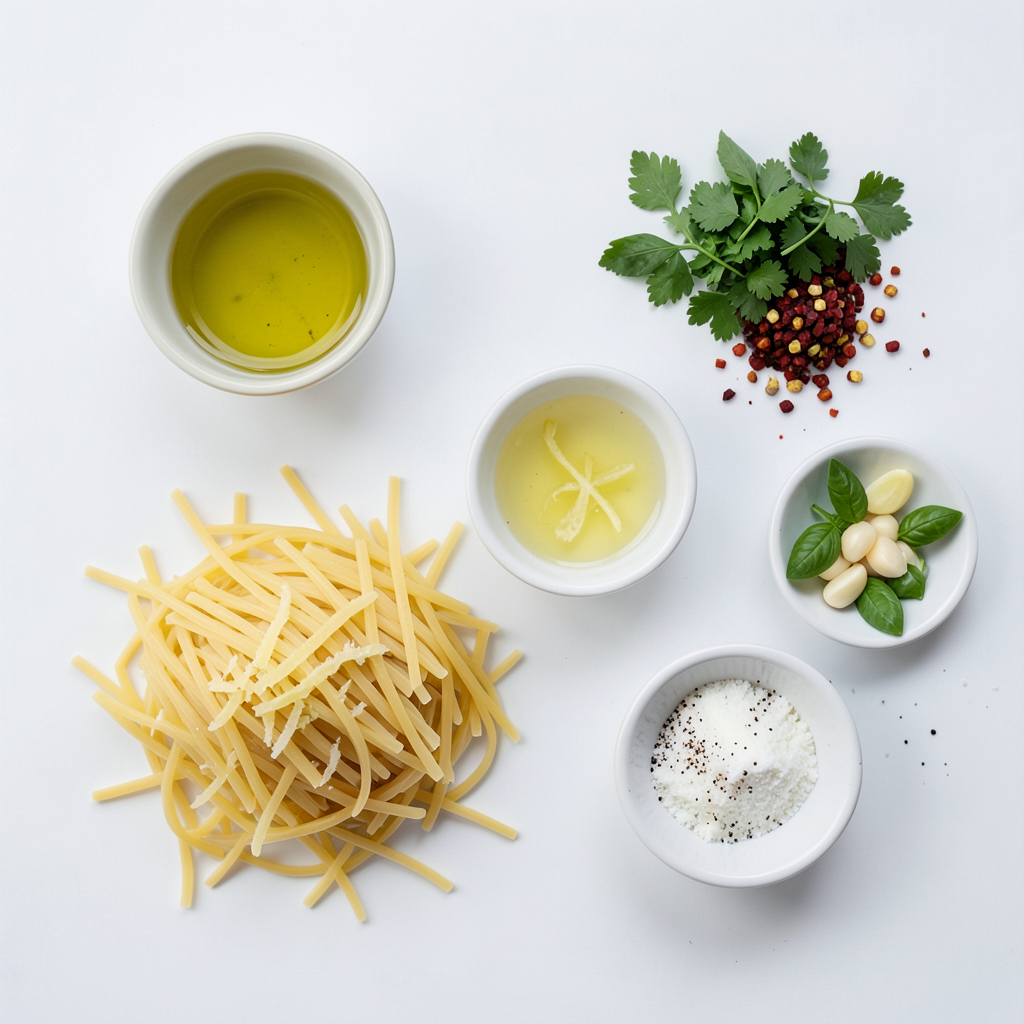
List of Ingredients
- Spaghetti and Cooking Essentials
- 12 oz spaghetti
- 3 tablespoons olive oil
- Salt and pepper to taste
- Fresh Ingredients for Flavor
- Zest of 1 lemon
- 1/4 cup fresh lemon juice
- 2 cloves garlic, minced
- 1/2 cup fresh parsley, chopped
- 1/4 cup fresh basil, chopped
- 1/4 teaspoon red pepper flakes (optional)
- Optional Ingredients for Garnishing
- Grated Parmesan cheese (optional)
For this dish, I love how simple it is to gather these ingredients. The spaghetti shines through with fresh flavors, making it a delightful meal. You can easily find lemon, garlic, and herbs at your local market. Don't forget the olive oil; it adds a rich taste. If you want a little heat, the red pepper flakes are a great choice.
The optional Parmesan cheese gives that creamy finish, but it's fantastic even without it. You can also use other herbs if you like. The key is to keep it fresh and bright. Enjoy the process of preparing these ingredients. They will come together to create a dish that’s quick, tasty, and satisfying.
Step-by-Step Instructions
Cooking the Spaghetti
1. Start by bringing a large pot of salted water to a boil. This step is key to flavor.
2. Cook the spaghetti according to the package instructions. Aim for al dente. This means the pasta should be tender but still firm.
3. Before draining, reserve 1/2 cup of the pasta cooking water. This water will help your sauce later.
4. Drain the spaghetti and set it aside while you make the sauce.
Making the Lemon Herb Sauce
1. In a large skillet, heat 3 tablespoons of olive oil over medium heat.
2. Add 2 minced garlic cloves and 1/4 teaspoon of red pepper flakes if you like spice. Sauté until fragrant, about 1 minute.
3. Next, mix in the zest of 1 lemon and 1/4 cup of fresh lemon juice. Stir well.
4. If the sauce is too thick, add a bit of the reserved pasta water. Adjust until you reach a nice sauce consistency.
Combining and Serving
1. Toss the drained spaghetti into the skillet with the sauce. Make sure the pasta is well coated.
2. Stir in 1/2 cup of chopped parsley and 1/4 cup of chopped basil. These fresh herbs add great flavor.
3. Finally, season with salt and pepper to taste. For a special touch, serve topped with grated Parmesan cheese.
Tips & Tricks
Enhancing Flavor Profiles
Adjusting Ingredients to Taste You can change the amount of lemon juice. If you want it zestier, add more zest. For a milder taste, cut back on the lemon. Adjust the salt and pepper too. Taste as you go.
Alternative Herbs and Seasonings If you want to mix it up, try using thyme or oregano. These herbs add depth. You can also swap out parsley and basil for arugula. Arugula gives a nice peppery kick.
Recommendations for Cooking Techniques Cook your spaghetti until just al dente. This keeps it firm. When making the sauce, don’t burn the garlic. Cook it just until fragrant. If the sauce is too thick, add reserved pasta water. This will help it blend well with the pasta.
Presentation Tips
Garnishing Suggestions Add a sprinkle of fresh herbs on top. This makes the dish pop. A lemon wedge on the side adds color and freshness. You can also use nuts like pine nuts for crunch.
Plating Techniques for Appeal Twirl the spaghetti into a nest shape. This looks nice on the plate. Use a fork or tongs to create the nest. Place it in a shallow bowl for a lovely effect.
Best Serving Practices Serve the pasta right after cooking. This keeps it warm and fresh. You can also offer grated Parmesan on the side. This way, everyone can add as much as they like.
Variations
Adding Protein
You can easily add protein to your lemon herb spaghetti. Here are some ideas:
- Incorporating Shrimp or Chicken: Cook shrimp or chicken in the skillet before adding the garlic. Sauté until they turn golden. This adds a nice touch and makes the dish more filling.
- Vegetarian Options with Tofu: For a veggie twist, try tofu. Press and cube firm tofu, then sauté it in the skillet until golden. Toss it in with your pasta. It absorbs the flavors well.
- Suggestions for Ham or Bacon: You can also use ham or bacon. Cook them in the skillet first. This adds a salty crunch that pairs nicely with the lemon and herbs.
Dietary Adjustments
You can easily modify this recipe to fit different diets. Here are some suggestions:
- Gluten-Free Substitutes: Use gluten-free spaghetti to make this dish friendly for gluten-free diets. Many brands offer good options that taste great.
- Vegan Version of the Recipe: To make it vegan, skip the Parmesan cheese. You can use nutritional yeast for a cheesy flavor without dairy.
- Low-Calorie Modifications: Cut back on olive oil to lower calories. You can also use less pasta and increase the veggies, like adding spinach or zucchini. This keeps the dish light and fresh.
Storage Info
Storing Leftovers
To keep your leftovers fresh, let the spaghetti cool first. Place it in a shallow dish for quicker cooling. Once cooled, cover it tightly with plastic wrap or use an airtight container. This helps to keep moisture in and flavors intact.
You can store the spaghetti in the fridge for up to three days. After that, the taste may fade. If you want to keep it longer, consider freezing it. In the freezer, it can last for about two months.
Reheating Guidelines
When it’s time to eat your leftovers, reheat them gently. You can use a microwave or a skillet for this. If using a microwave, add a splash of water to keep it moist. Heat in short bursts, stirring in between.
If you prefer the skillet, add a little olive oil or butter. Heat over low to medium heat. Stir often to avoid overcooking. This will help keep the spaghetti tender and tasty.
FAQs
How to make lemon spaghetti sauce?
To make lemon spaghetti sauce, start by heating olive oil. Add minced garlic and cook until it smells good. Then, mix in lemon zest and lemon juice. If the sauce is thick, add some pasta water. Stir well to blend all the flavors together. This sauce is light and fresh, perfect for the spaghetti.
Can I use dried herbs instead of fresh?
Yes, you can use dried herbs instead of fresh. However, fresh herbs taste better. If you use dried herbs, use less. A good rule is one-third of the amount. So, if the recipe calls for ½ cup of fresh parsley, use about 2 tablespoons of dried parsley. The flavor will still be nice, but it may not be as bright.
What can I serve with lemon spaghetti?
You can serve lemon spaghetti with many sides. A simple green salad pairs well. Garlic bread adds a nice crunch. Roasted veggies bring in more flavor and color. You can also add grilled chicken or shrimp for protein. Each option complements the lemon and herbs nicely.
How long can leftover spaghetti be stored?
You can store leftover spaghetti for about 3 to 5 days in the fridge. Make sure to put it in an airtight container. This keeps it fresh and safe to eat. When you're ready, reheat it on the stove or in the microwave. Add a splash of water if it seems dry.
You’ve learned how to make a tasty lemon spaghetti with fresh herbs and flavors. We covered ingredients, cooking steps, and tips to enhance your dish. Remember, you can adjust flavors to suit your taste and make it your own. Whether you add protein or keep it vegan, there’s a version for everyone. Enjoy experimenting with this simple recipe. Cooking can be fun and rewarding!